

Overstride
What is Overstriding?
Overstride is when you place your foot too far in front of you while running. This negatively affects your form: you’ll need to use more force to stabilise (Braking Force), spend more time on the ground (GCT), and reduce your cadence.
Running Drills
Here are some running drills to help you reduce overstride:
Start with quick light steps, keeping your posture tall. Now lean slightly forward from the ankles; do not bend from the waist. You will find your feet are carrying you forward – try to maintain the same posture. If you feel yourself reaching out too far, stop and repeat the exercise.
2/ Correct Cadence
Your report will recommend a cadence ‘goal’ for you; if you are below that ‘goal’, we need to increase it. A nice way to do this is to listen to music that has the same beats per minute as your Goal strides per minute. Increasing your cadence will automatically reduce any overstride.
3/ Fast Feet
While on your training runs, maintain your normal pace, but for a 10-second burst, I want you to take as many steps as possible. This drill prevents your feet from overstriding. Start with 3 Reps per run.
Strength and Conditioning Exercises
Doing basic gym exercises to build strength in your hips, glutes, hamstrings, calves, and core helps your legs support your body better when you run. This can make your running form smoother, reduce joint impact, and help you land with your foot closer to your body. As a result, you’ll run more comfortably and efficiently.
Bulgarian Split Squats Unweighted
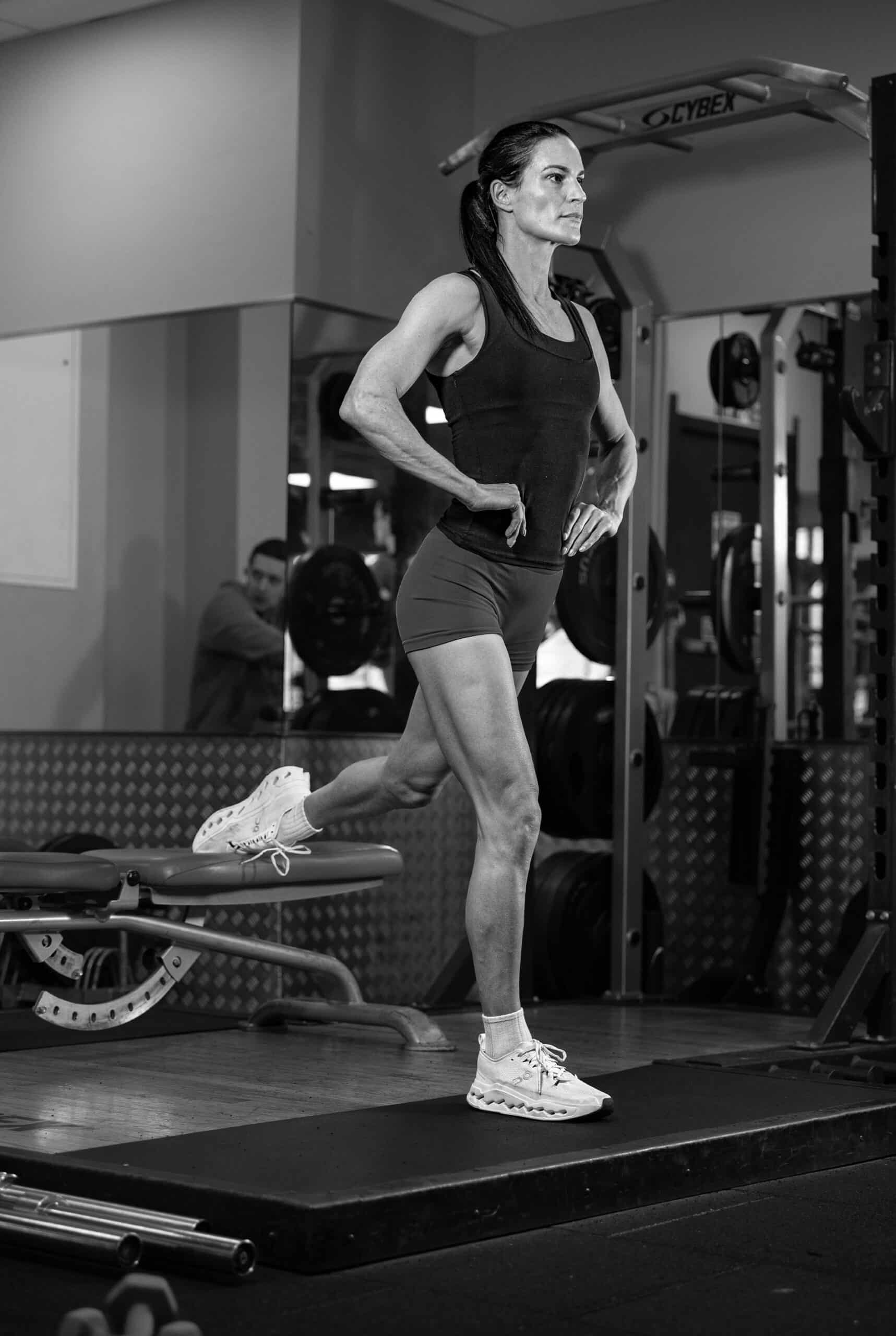
Running is a single-leg activity. Bulgarian Split squats strengthen your glutes, quads, and hip control, helping you stay stable over the stance leg rather than bouncing upward and swaying side to side. A simple starting point is 2 to 3 sets of 6 to 10 reps per leg, using only your body weight.
1
Stand a couple of feet in front of a bench or sturdy chair. Put one foot behind you on the bench. Keep the other foot far enough forward that when you lower down, your knee stays roughly over your foot instead of being forced way past your toes.
Brace your core and keep your chest up (slight lean forward). Most of your weight should stay in the front leg.
2
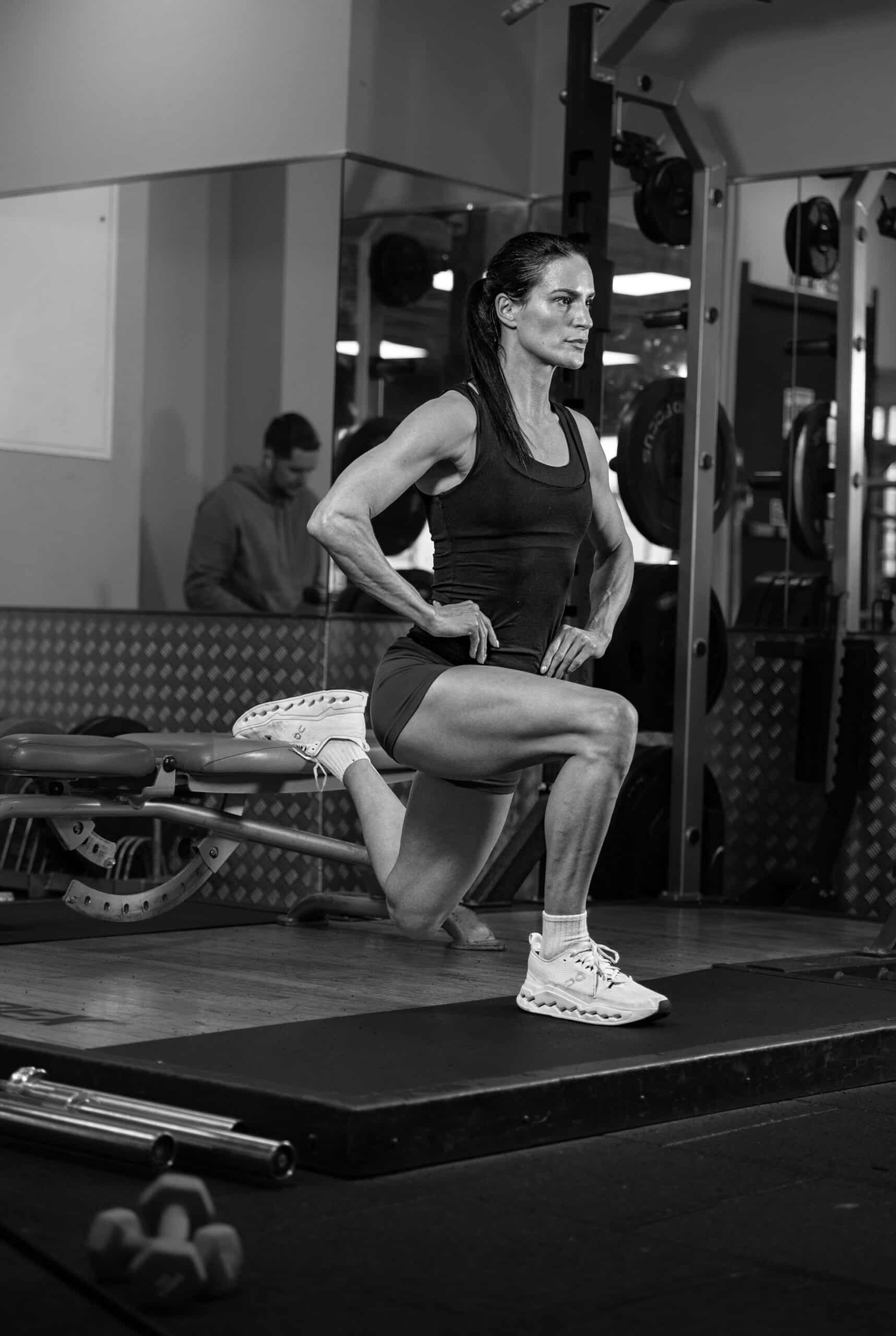
Lower yourself by bending the front knee and letting the back knee move toward the floor. Go down under control until your thigh is parallel to the ground, or as low as you can without losing balance or form. Keep your knee tracking along the line of your foot
Push through the heel and midfoot of the front foot to stand back up, move slowly (no bounce at the bottom) and stay in balance. This is one rep.
Bulgarian Split Squats Weighted
1
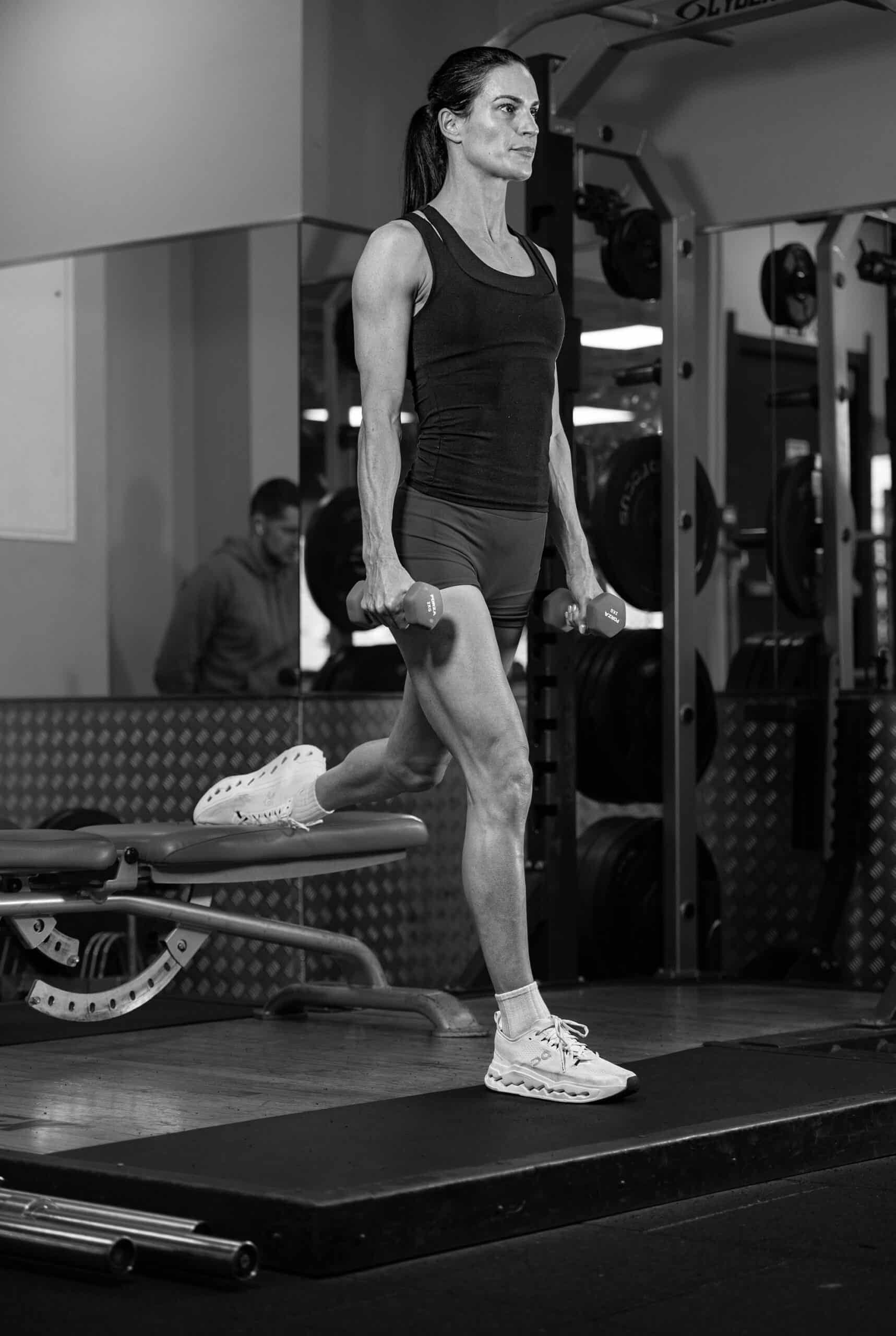
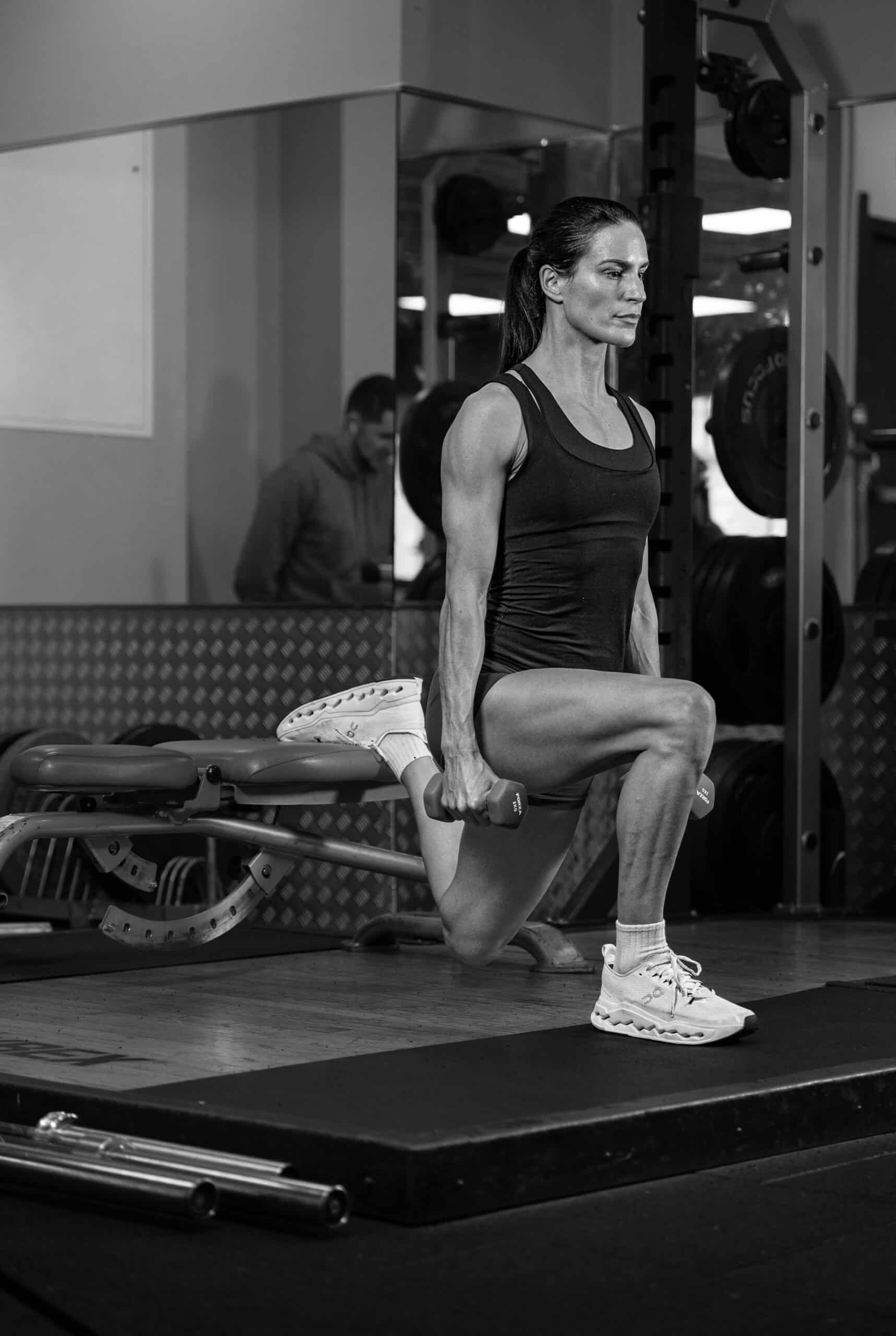
Using small dumbbells, a weighted backpack or even a weighted shopping bag or water containers. Now execute the exercise exactly as the unweighted Bulgarian Split Squat.
2
Increase the weight as you feel comfortable. Generally, if you can complete 3 sets of 10 without difficulty and maintain complete stability, then raise the weight. The goal here is not to set PRs but to maintain good control while keeping perfect stability.
Single-leg Romanian Deadlifts (RDL’s) Unweighted
Romanian RDL’s help reduce overstride by strengthening the glutes and hamstrings, improving hip control, and encouraging greater force production behind the body rather than reaching too far forward.
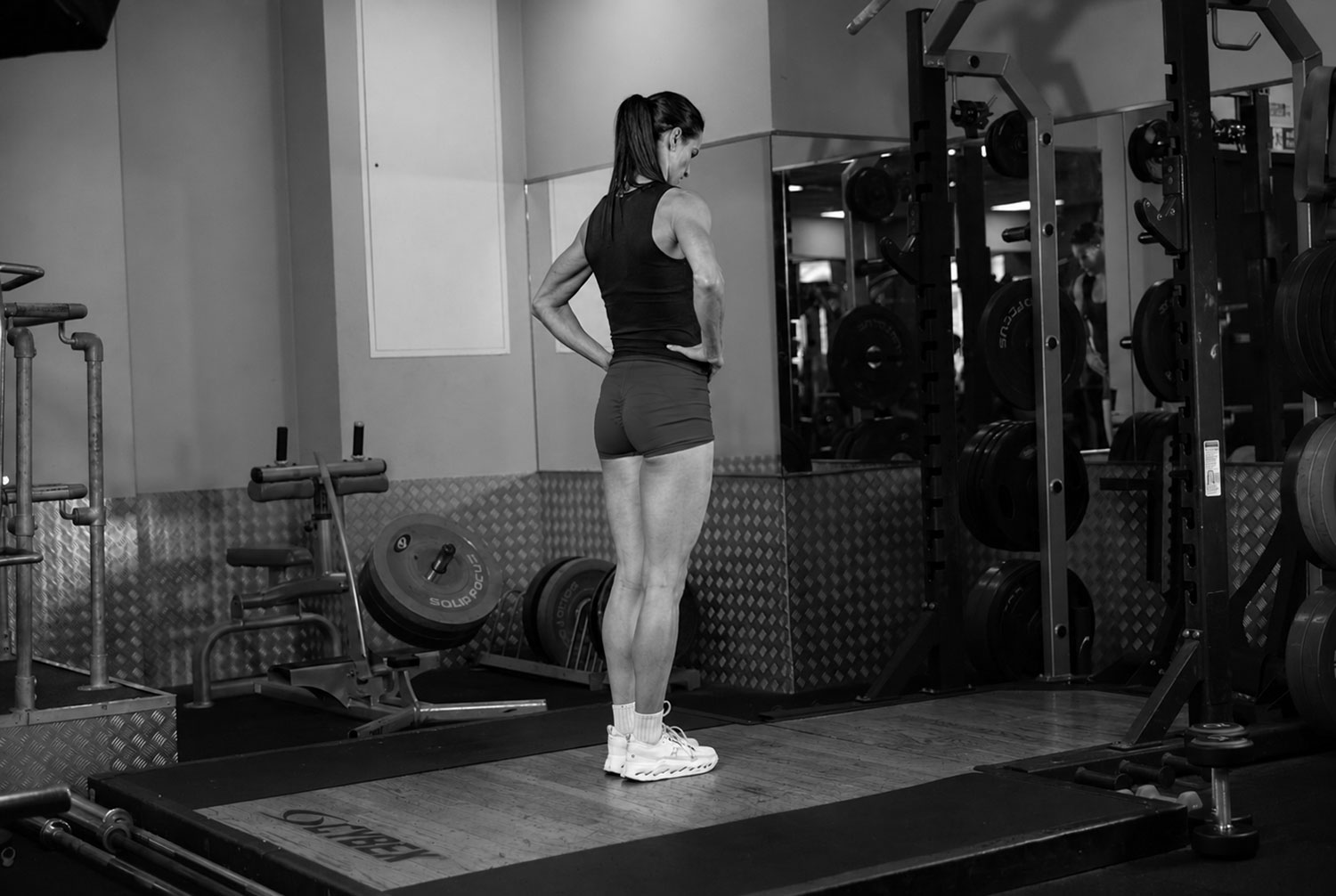
1
Stand with your feet together and your posture tall. You can put your hands on your hips, but until you feel comfortable, leave them at your side, ready to help you balance.
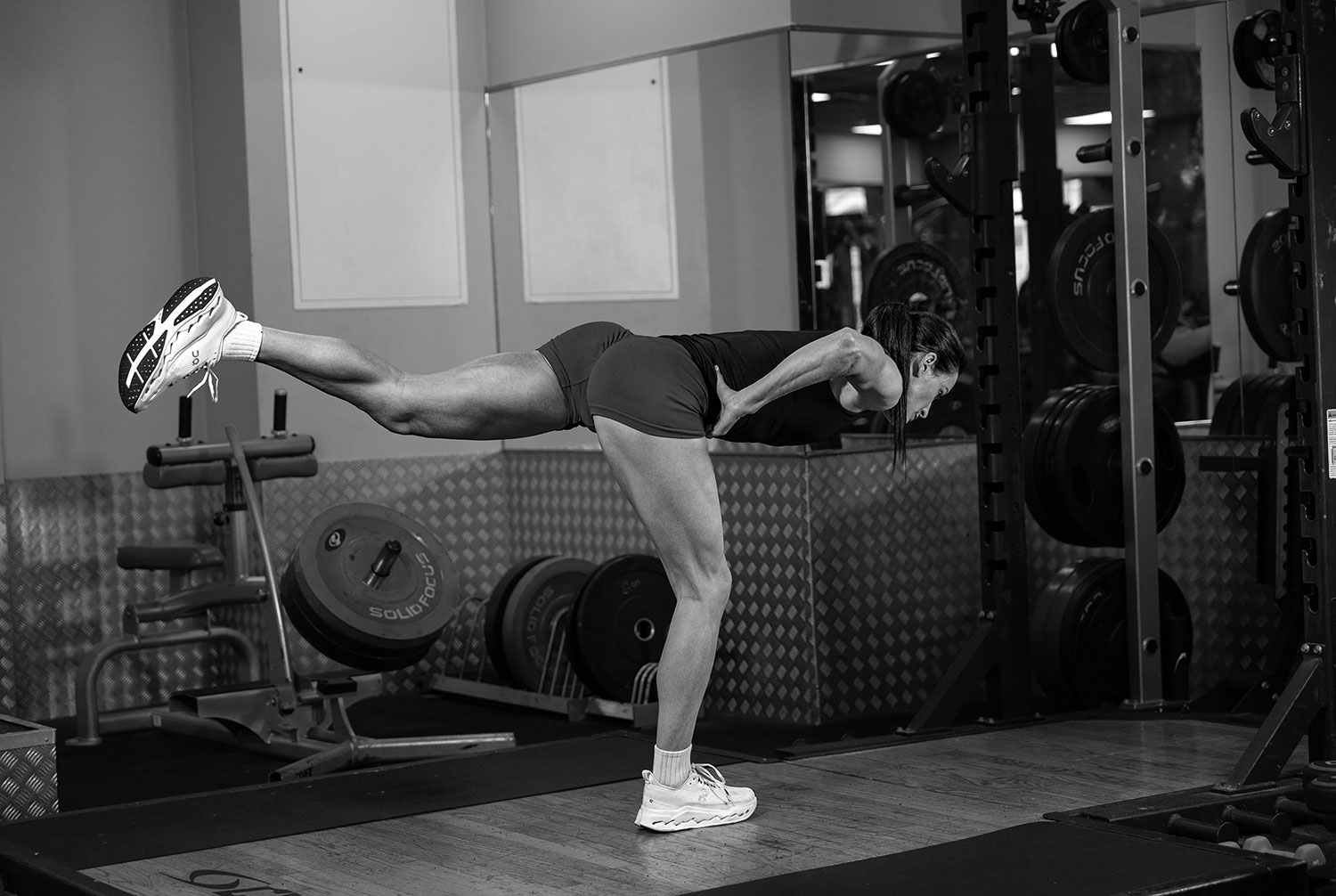
2
Single-leg Romanian Deadlifts (RDL’s) Weighted
Romanian RDL’s help reduce overstride by strengthening the glutes and hamstrings, improving hip control, and encouraging greater force production behind the body rather than reaching too far forward.
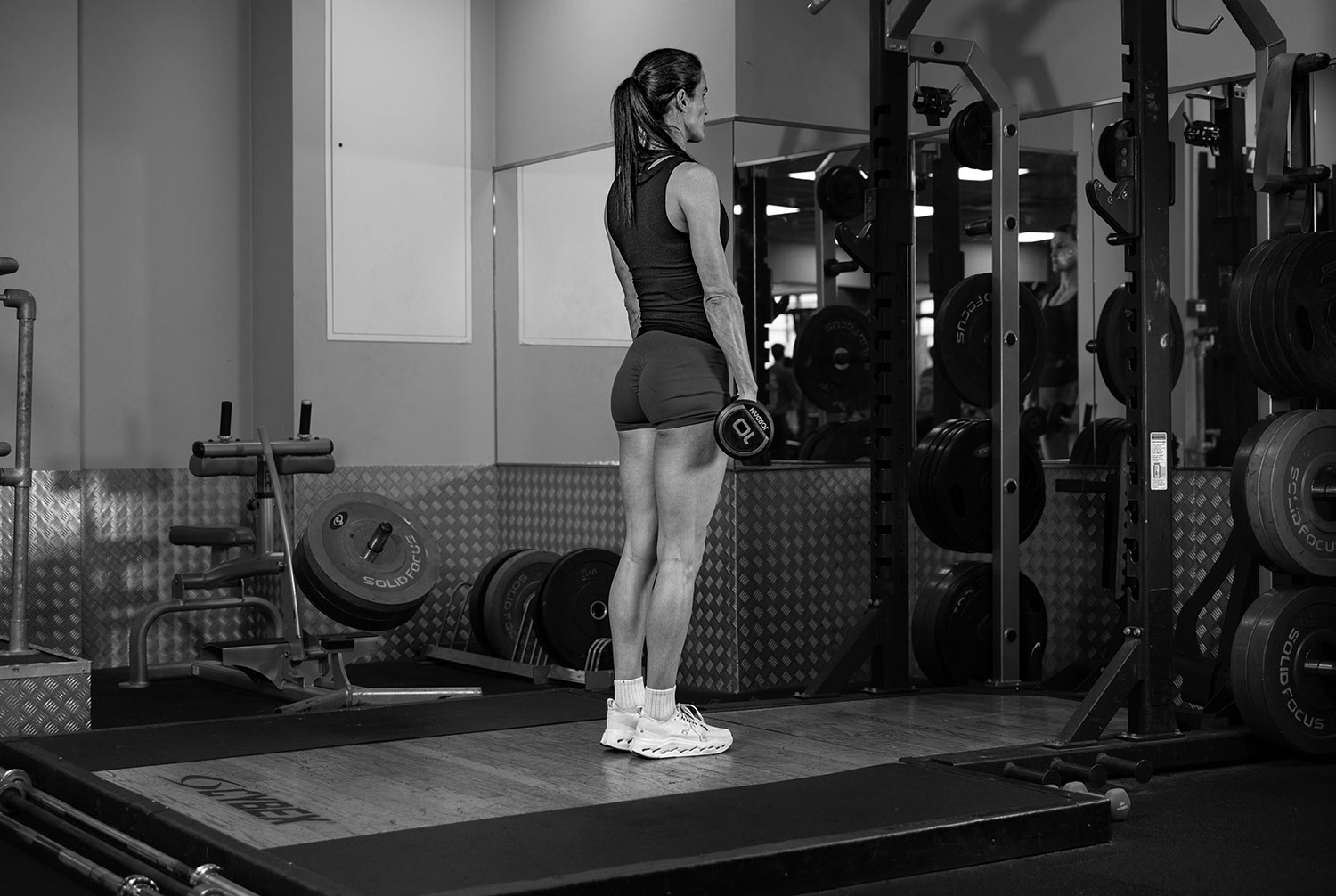
1
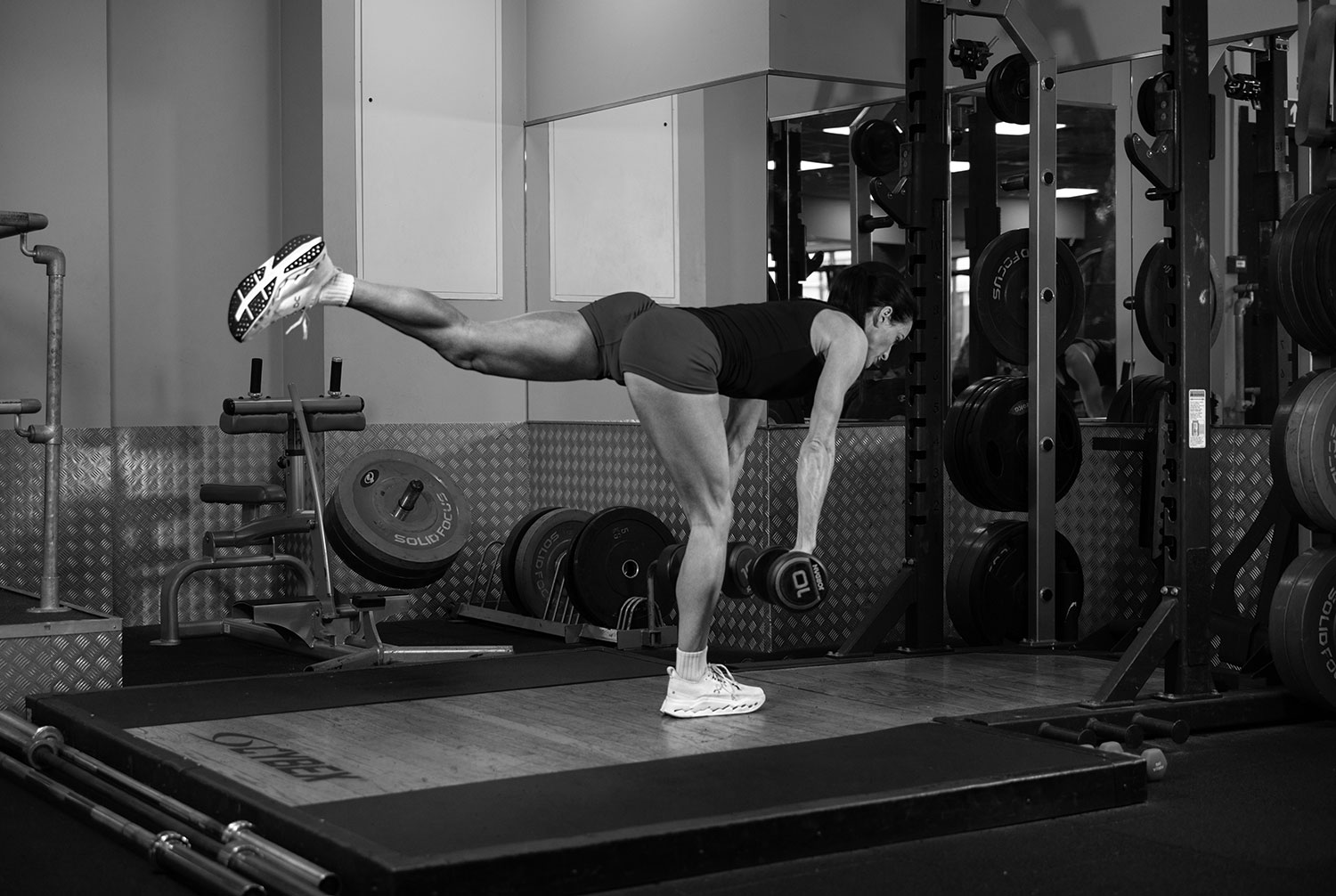
2
RUNRIGHT-3D Explainers
Micrometrics
- EGround Contact Time
- EOverstride
- EVertical Stiffness
- EVertical Oscillation
- ECadence
-
Reduce your braking power and run better